The Allure of Chance and Risk
The psychology of casino gaming is deeply rooted in the allure of chance and risk. Many players are drawn to the unpredictability associated with gambling, which can evoke a sense of thrill and excitement. This anticipation, often referred to as the “gambling rush,” is what keeps players returning to the tables or slot machines. In addition, many individuals often explore sports betting sites not on gamstop, further diversifying their gaming experiences. The potential for winning, however unlikely, creates an emotional high that is difficult to resist.
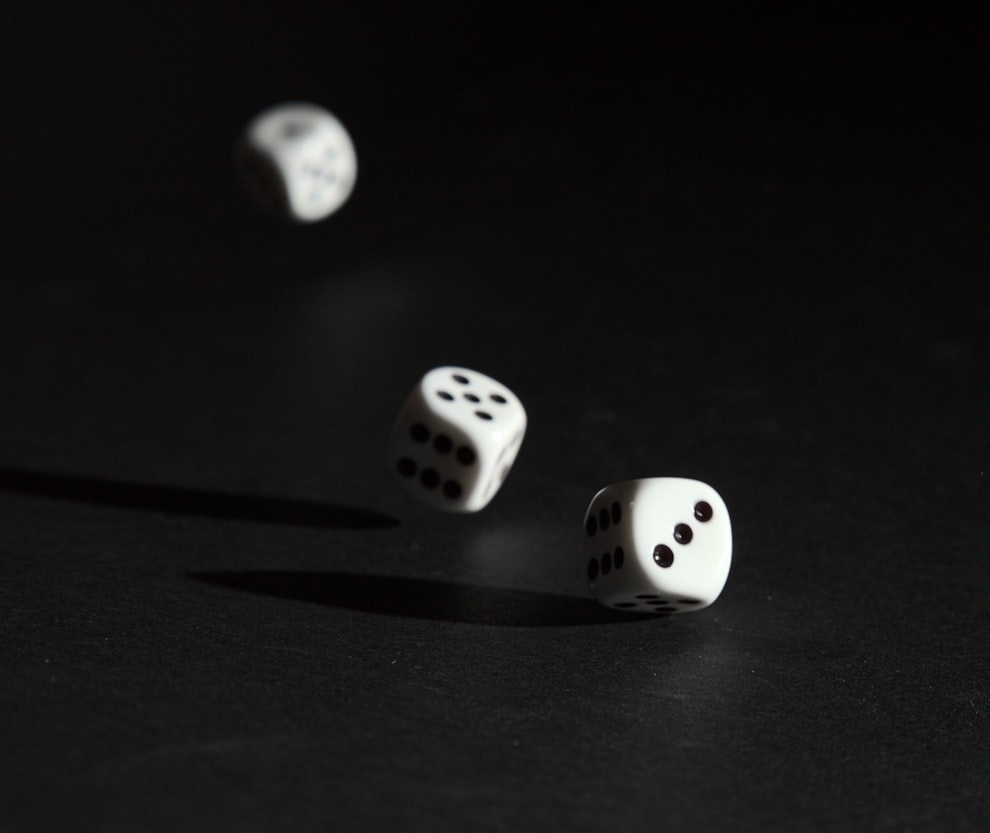
Additionally, the human brain is wired to respond to rewards. When a player experiences a win, there is a release of dopamine, the neurotransmitter associated with pleasure and reinforcement. This chemical reaction reinforces the behavior, encouraging players to engage in gambling even when they are aware of the odds. Understanding this psychological mechanism helps explain why many individuals become engrossed in casino experiences.
The Role of Environment and Design
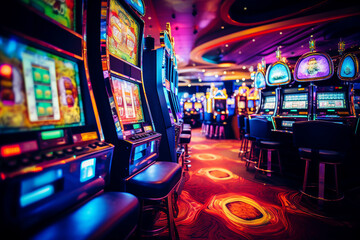
The physical environment of a casino plays a pivotal role in shaping the gaming experience. Elements such as lighting, sound, and layout are meticulously designed to create an inviting atmosphere. Bright lights and the sounds of chimes and cheers can heighten excitement and stimulate players’ senses, encouraging them to stay longer and spend more.
Moreover, the layout of a casino is often strategically crafted to minimize distractions and maximize engagement. Slot machines are frequently positioned near high-traffic areas, and the placement of gaming tables can encourage players to linger. The overall ambiance fosters a sense of community, making individuals feel part of something larger, which enhances their gaming experience.
Social Interaction and Community
Casino gaming is not just about the games themselves; it’s also a social activity that provides players with a sense of community. Many gamblers enjoy the camaraderie that develops while playing with others. This social aspect can be particularly strong in games like poker, where interaction and strategy are essential components of the experience.
The opportunity to interact with fellow players creates a shared experience that can be both exhilarating and comforting. For some individuals, the casino becomes a social hub where they can connect with friends and meet new people, further enhancing their enjoyment of gambling activities. These social dynamics contribute significantly to the overall appeal of casino gaming.
The Psychological Impact of Winning and Losing
Winning and losing in a casino setting can have profound psychological effects on players. A winning streak can lead to increased self-esteem and a euphoric feeling of invincibility, often resulting in continued play. However, losses can also adversely affect mood and behavior, potentially leading to gambling addiction or compulsive behavior.
The concept of “loss aversion,” where individuals prefer to avoid losses rather than acquire equivalent gains, often exacerbates this cycle. Gamblers may chase losses, believing that they can recover their previous winnings. This psychological trap can lead to irrational decision-making and significant emotional distress, underscoring the importance of understanding the mental aspects of gambling.
Ensuring a Positive Gaming Experience on Our Platform
At our website, we are committed to providing a secure and enjoyable gaming environment that respects the psychological nuances of casino experiences. We have implemented advanced security measures to protect our users, ensuring that their information remains confidential and secure while they enjoy gaming activities.
Our aim is to create a seamless browsing experience where every visitor can engage with casino gaming safely. By understanding the psychological elements at play, we strive to foster a positive community atmosphere that values both responsible gaming and the enjoyment of the gambling experience. Join us as we explore the exciting world of casino gaming with an emphasis on psychology and community.
